| | | | | | A Nonprofit Membership Organization Working for South Carolinians Since 1990.
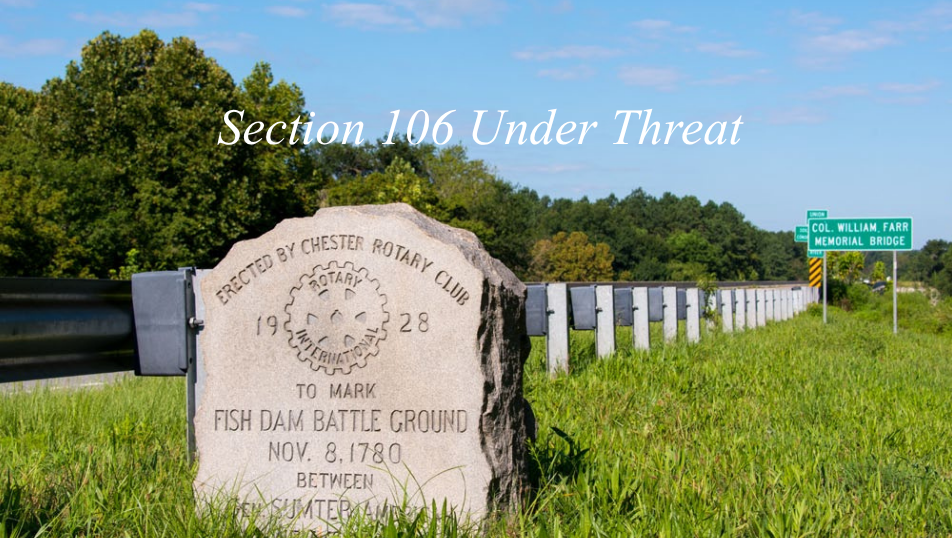
| | | | | | | | | | | | Special Edition: Section 106 and South Carolina's Historic Resources | | | | “The ACHP’s proposed changes to Section 106 will eviscerate the preservation of our shared civic and cultural heritage in the United States.”
— Brent Leggs, President and CEO, National Trust for Historic Preservation | | Understanding Section 106
Section 106 of the National Historic Preservation Act requires federal agencies to consider the effects of their projects, activities, and permitted actions on historic properties. The process gives preservation advocates, state and local governments, Tribal communities, and the public an opportunity to participate before federal decisions are finalized. Learn more about the Advisory Council on Historic Preservation and the Section 106 review process, here. | | | | Proposed Changes Could Dramatically Weaken Historic Preservation Protections
In July, the Advisory Council on Historic Preservation (ACHP) voted to advance sweeping changes to the regulations governing Section 106 of the National Historic Preservation Act.
If adopted, these changes could significantly reduce opportunities to protect historic buildings, neighborhoods, landscapes, archaeological sites, and culturally significant places.
Among the most concerning proposals: - State and local governments lose the right to be notified and the opportunity to comment when federal agencies propose to damage or destroy historic places in their jurisdiction.
- Public opportunity to comment on federal actions that might affect historic places becomes optional, at the discretion of the federal agency.
- Federal agencies are not required to avoid or minimize damage to historic places.
- Narrowed definition of historic properties. Federal agencies decide what is historic and significant, with little or no state and public input.
- Excludes broad categories of federally connected actions from review and leaves decisions about projects to review up to federal agencies.
- Replaces collaborative consultation and negotiated solutions with federal decision making without public input.
| | | | Section 106 in South Carolina
Section 106 is not a process for stopping development; it is a framework that allows infrastructure, housing, economic development, and other projects to move forward while identifying and addressing impacts to South Carolina’s historic resources.
| | Reviews take place statewide Section 106 projects are reviewed across South Carolina, from major cities to small rural communities. The counties with the highest review activity include Charleston, Beaufort, Horry, Berkeley, Dorchester, Richland, York, Spartanburg, Greenville, and Georgetown. | | | | The vast majority of projects do not result in adverse effects. In 2025, South Carolina received approximately 1,006 new Section 106 projects. Only 10 projects—about 1%—resulted in adverse-effect determinations.
Approximately 140 projects had historic properties present but were ultimately determined to have no adverse effect, often after consultation and project modifications. | | | | The process is designed to keep projects moving. South Carolina’s average Section 106 response time was 19 days in 2025, compared with the federal 30-day timeframe. The state also uses 27 active programmatic agreements to streamline reviews for certain types of projects.
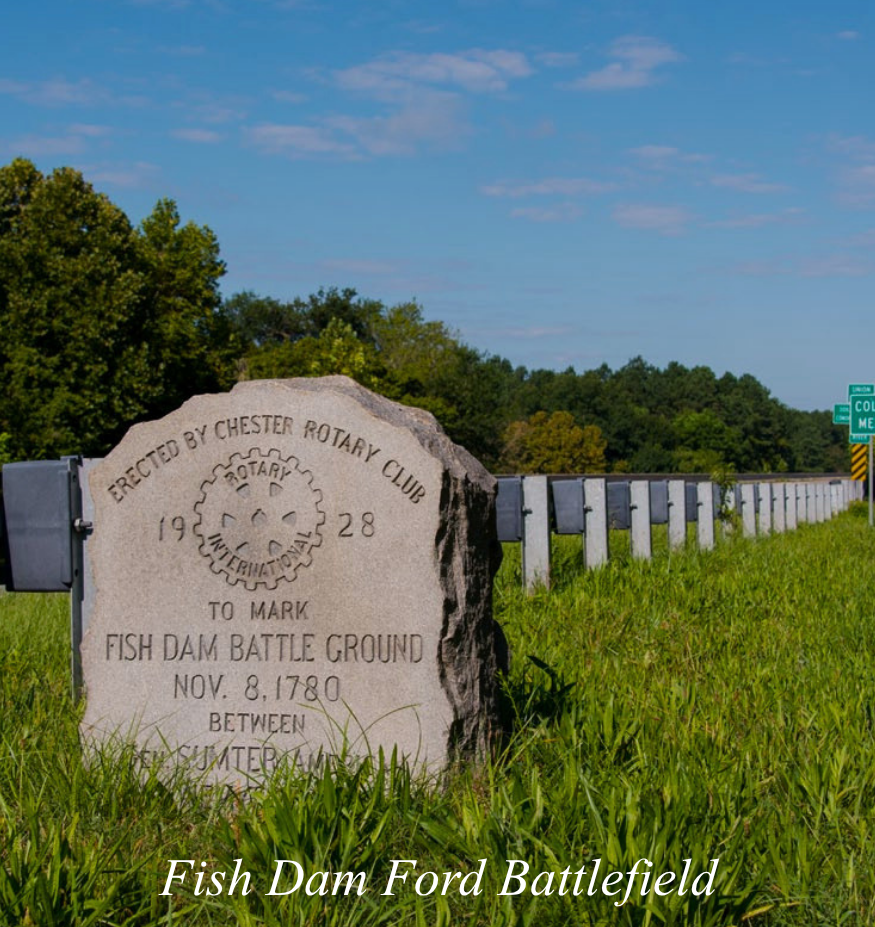
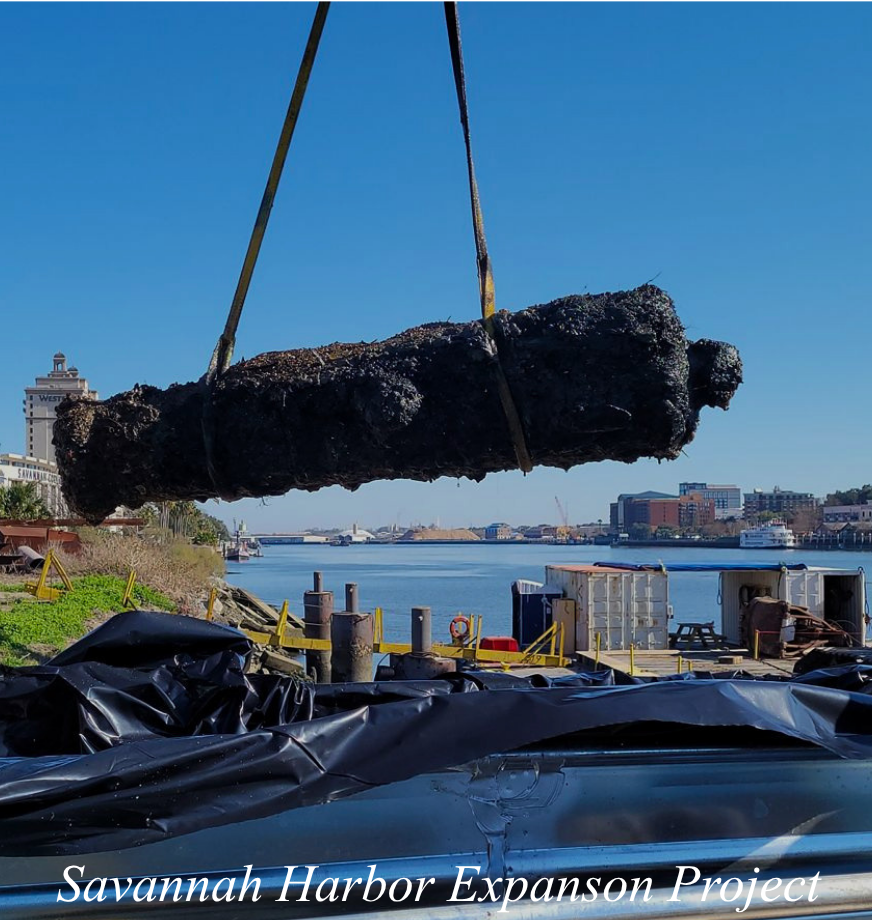
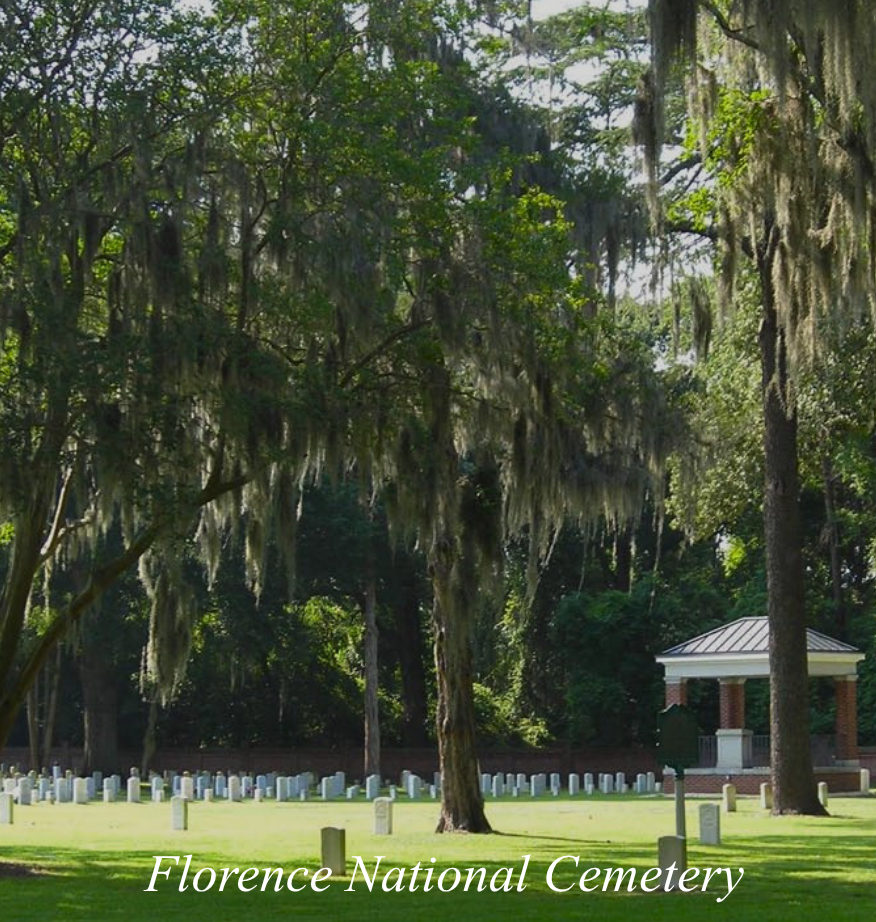
Historic preservation and efficient project delivery can—and do—work together. | | | | Section 106 is important to South Carolina’s infrastructure and economic development. Section 106 review touches projects across the state—from highways and bridges to housing, telecommunications, disaster recovery, and major industrial developments. Among the largest sources of Section 106 reviews in 2025 were the U.S. Army Corps of Engineers, HUD/CDBG, SCDOT/FHWA, and the FCC. | | | | Major development and historic preservation can occur together. The recent Scout Motors project in Richland County involved data recovery at an eligible archaeological site before construction. Another archaeological site associated with the wetlands mitigation property is now being protected through the S.C. DNR Heritage Trust Program. | | | | Explore examples of Section 106 projects from across South Carolina, here. | | | | |
TAKE ACTION Tell your governor to protect the National Historic Preservation Act.
The National Trust for Historic Preservation has created an easy way to contact your governor and urge them to protect the National Historic Preservation Act and oppose changes that would weaken Section 106 protections. Learn more about Section 106 and important deadlines, here. Send a letter to your Governor, here.
The effort to protect Section 106 is also growing beyond the traditional preservation community. Cultural Heritage Partners, PLLC is leading a national coalition effort to build support for an open letter to Congress opposing changes that would weaken Section 106. The coalition's next goal is to bring together 1,000 organizations and Tribal Nations representing at least 10 million Americans.
The coalition is seeking partners across preservation, history, archaeology, architecture, museums, and Tribal communities—as well as environmental and conservation groups to join their coalition. Join the coalition, here, and sign the open letter to congress. | | | | | | | | | | | | | | Preservation South Carolina1109 Broad Street, 2H Camden, SC 29020803.729.7782 | | | | You are receiving this email as you signed up for our newsletters. Want to change how you receive these emails?
You can Unsubscribe or Update your preferences | | | | | | | |